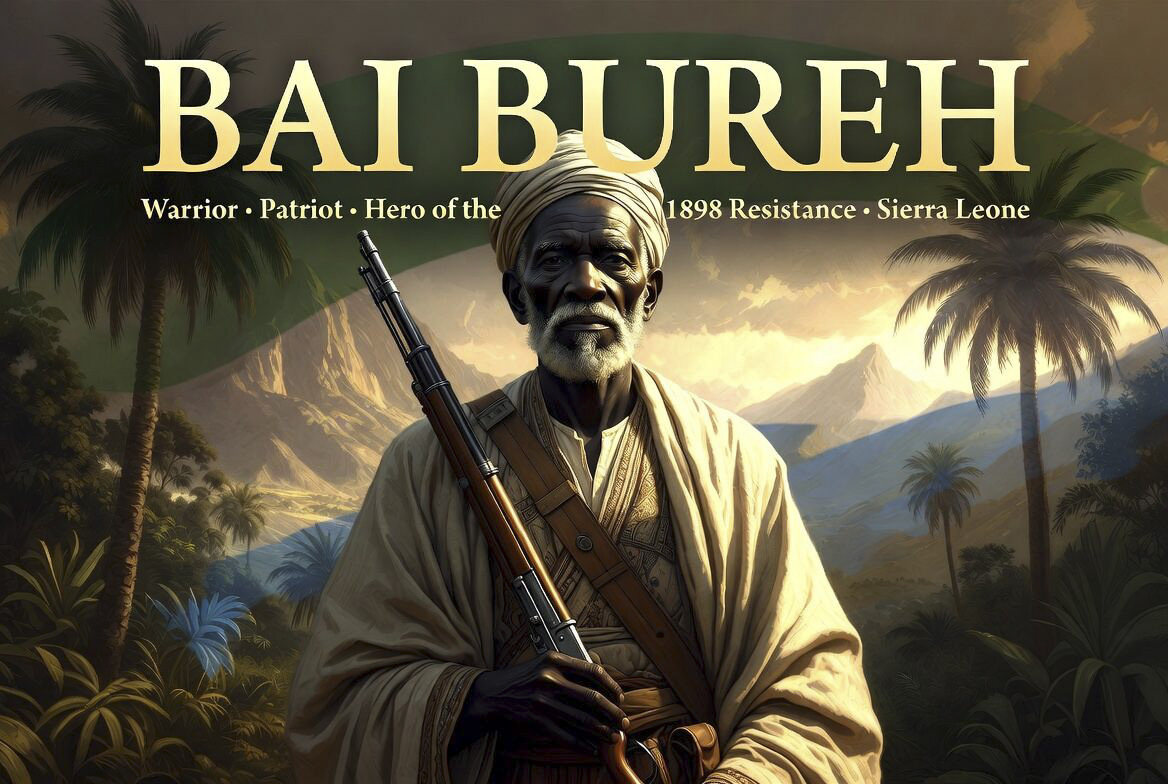
Sierra Leone has fertile land, significant mineral resources, a young workforce and direct Atlantic access. The national Feed Salone program and the critical minerals strategy show a clear direction: produce more at home, process more at home, and keep more of the value inside the country.
The 40 Acre Trust works with host nations to build the systems (processing plants, training, power, logistics and institutional links) that turn natural advantages into lasting jobs, revenue and national capacity.
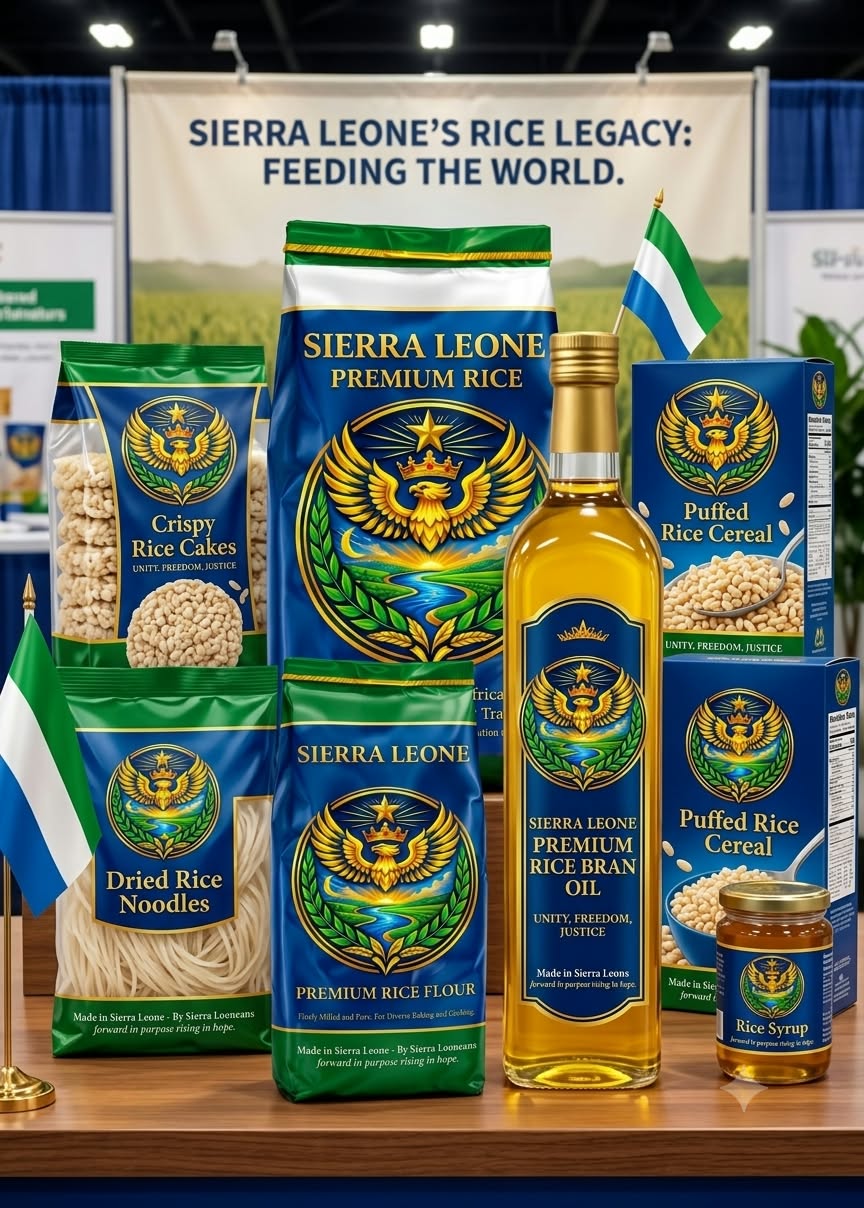
Most Sierra Leoneans work in agriculture, yet the country still imports large volumes of rice and other staples. The solution is higher productivity plus in-country processing so farmers earn more and the nation imports less.
The country already grows the grain. The factory that mills, packs and brands it is where the jobs and the foreign exchange are created. This line is built to stand with Feed Salone: local paddy in, finished Sierra Leone products out.
Phase 1 program targets for one industrial mill, packaging hall and secondary-product line. Not current headcount.
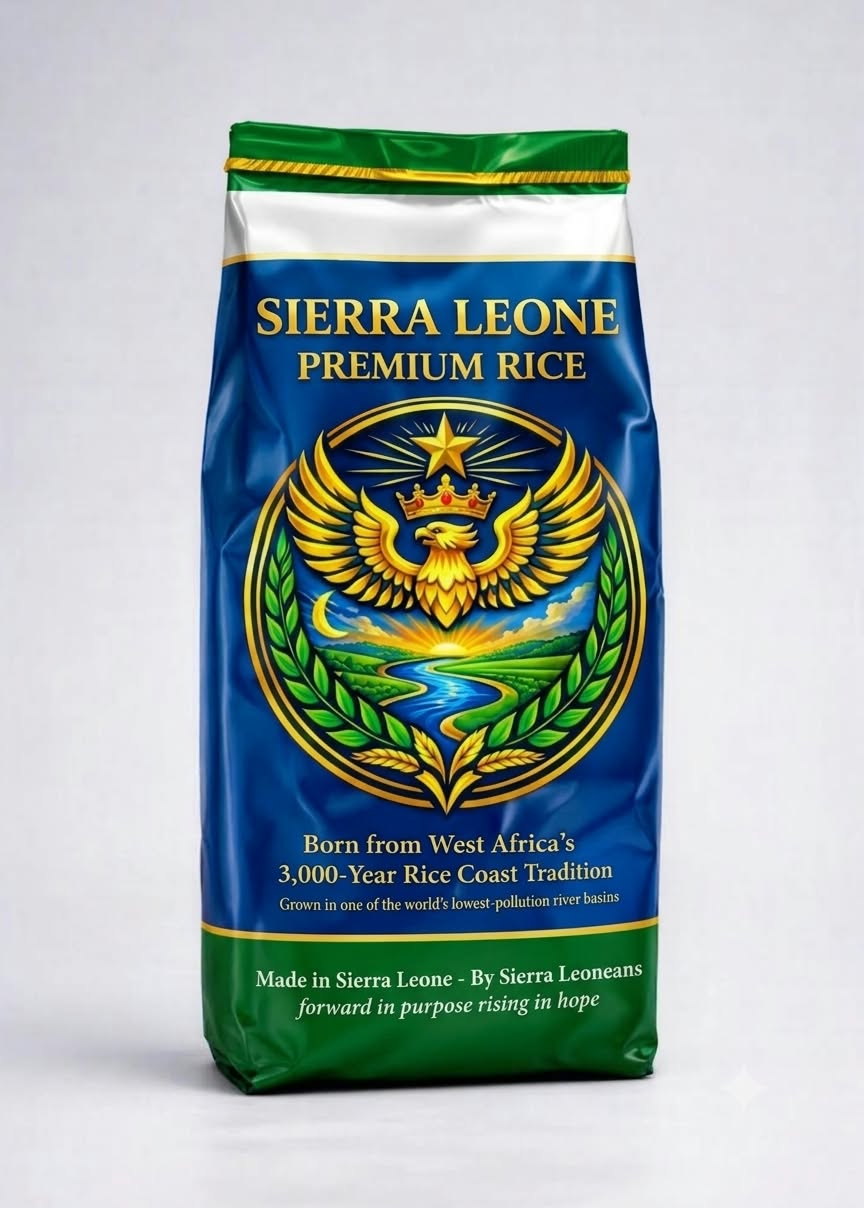
Phase 1 is one national manufacturing hub. Paddy is bought from Sierra Leonean farmers, milled to export grade, then packed under the Sierra Leone name in 5kg, 10kg, 25kg and 50kg bags. Broken grain and bran stay in the plant and become flour, noodles, cakes, cereal, bran oil and syrup.
Milled and bagged in Sierra Leone. The flagship staple that replaces an imported sack on the shelf.
Rice flour, dried noodles and crispy cakes. Pack-house and food-line jobs from the same grain.
Puffed cereal, rice bran oil and rice syrup. Bran and broken grain become product, not waste.
Phase 2 copies the same hub in three regions (north, south and east), for about 1,350 direct factory jobs and 10,000 farming households. Made in Sierra Leone, by Sierra Leoneans.
Raw exports leave most of the value overseas. Building processing and light manufacturing capacity keeps that value, and the jobs that come with it, inside the country.
Rice mills, oil extraction, packaging plants and food factories that turn primary produce into finished goods ready for shelves at home and abroad.
Packaging, construction materials, consumer goods and inputs that serve the domestic market and reduce import dependence.
Training pathways so Sierra Leonean workers move from basic labor into technical, supervisory and management roles.
A growing economy needs a healthy population. Modern medical facilities, training for clinicians, and better diagnostic capacity.
Facilities that serve communities and train the next generation of Sierra Leonean doctors, nurses and technicians.
Programs so local professionals gain advanced skills and can run and expand the system independently.
Modern diagnostics that improve care quality while building long-term institutional strength.
Infrastructure and industry only succeed when people have the skills to run them.
Practical skills for agriculture, processing, construction, logistics and facility operations.
Support so Sierra Leoneans fill technical and leadership roles.
Clear routes from school into real employment in the sectors being built.
Diamonds, gold, iron ore, rutile and bauxite. The greater opportunity is keeping more processing and related services inside the country.
In-country refining and formalization pathways that give producers better returns.
Iron ore, rutile and bauxite supporting construction and manufacturing.
Alignment with national strategy so more of the value chain stays local.
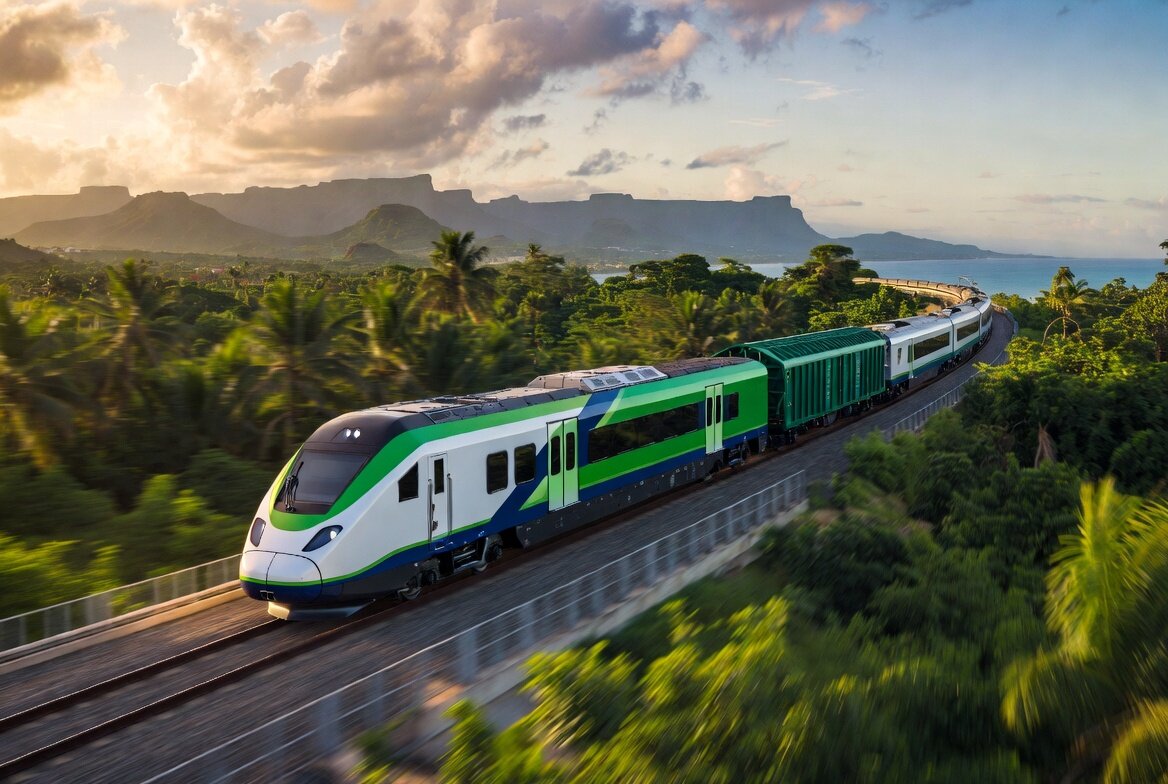
Reliable power, efficient ports and better inland transport turn natural advantages into real competitiveness.
Direct employment across agriculture, processing, construction, logistics and services.
Processing and packaging inside Sierra Leone means more of the final price is earned in the country.
Stronger domestic production reduces dependence on imported staples.
Higher-quality processed goods open better markets and earn more foreign exchange.
Connections to U.S. banking, trade and development partners.
Systems designed so local institutions can operate and expand them independently.
The people building 40 Acre Trust Sierra Leone and the wider Sankofia partnership.

Welcome to the Republic of Sankofia. Patrick Gillum is the founder of 40 Acre Trust. 40ATC Elite is built on Ethereum. Only 17 million will ever exist. An earlier NI 43-101 report exists. We are waiting on an updated technical report under the current U.S. standard (SEC S-K 1300). Until it is complete, 40ATCE is not backed by gold or any asset. Once complete, we plan to seek recognition of the in-ground gold as an asset that could support 40ATCE; that depends on the results and is not guaranteed.

Alagie Tiyana is a Gambian entrepreneur who has been based in Sierra Leone for two years, where he works in gold mining and agriculture. He holds a high school diploma and a certificate in IT and office applications. In 2017 he moved to Dubai, where he spent two years, then returned to The Gambia to start a poultry farm and a waste recycling business that turns biochar into charcoal briquettes. After another two years in Dubai, he brought that hands-on experience in farming, recycling and business to Sierra Leone, where he now leads operations on the ground for 40 Acre Trust.
Discuss partnership opportunities that strengthen Sierra Leone’s agriculture, industry, healthcare, education and trade.
Contact the TrustOur main site.
Learn about 40ATC on its own site.
Read the 40ATC whitepaper (PDF).
Agriculture first, our first Trinity partner.
Peanut, rice and mango processing.
Partnership in development.
Legacy housing plan for Colombia.
Jobs, power and skills in Nigeria.
A daily safety check-in app.
Patrick's music.
Eric, Executive Assistant, eric@40acretrust.xyz
Patrick Gillum, Founder, patrick@40acretrust.xyz · patrick@40acretrust.com